Everyday Rituals: Common Missteps and Gentle Corrections
There are small moments in a day that either set the tone or quietly trip us up: the rushed cup of tea, the missing keys, the dinner that didn’t come together. Not every misstep needs a big change; often a gentle correction will do. Below are four common parts of ordinary days, each with a calm checklist of usual mistakes and simple fixes to try over the next week.
The Morning That Gets Away
Common mistakes
- Trying to plan the whole day while still half-asleep and feeling overwhelmed.
- Jumping from bed to screen, letting notifications set the pace.
- Skipping a small, steady preparatory action (like laying out clothes or prepping a mug) and paying for it later.
Gentle corrections
- Keep a short, repeatable two-line start: a glass of water and one prioritized task. Repeat for a week to build the muscle.
- Delay checking your phone for 20 minutes. Use that window to breathe, stretch, or think of one positive intention.
- Choose one small prep the night before — set out shoes, fill a kettle — and treat it as the evening’s single task.
Stepping Out Without a Shuffle
Common mistakes
- Patting pockets and turning the house upside down at the last minute for keys, wallet, or pass card.
- Starting a journey without a loose plan, then adding friction mid-way with forgotten items or unclear timing.
- Relying on memory alone during busy mornings, increasing stress and delays.
Gentle corrections
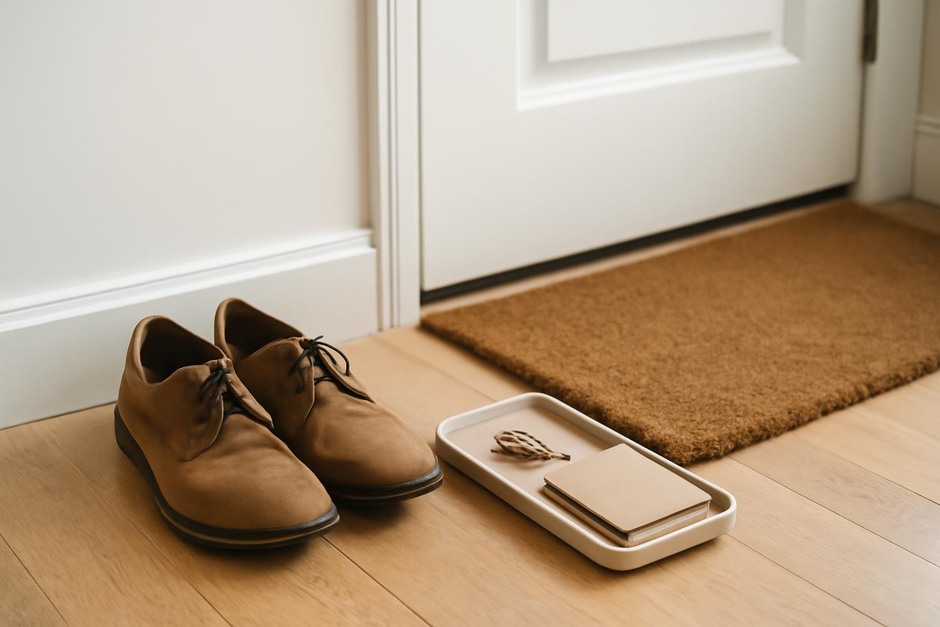
- Create a single landing spot for essentials by the door. Make it visible and slightly inconvenient to avoid tossing things there absentmindedly.
- Adopt a three-item check before you leave: keys, wallet, list (or phone). Say it aloud as you pick them up — the brief ritual reduces forgetfulness.
- Give yourself a five-minute buffer before leaving. Use it to confirm timing rather than rushing at the last second.
Cooking with Less Friction
Common mistakes
- Starting a recipe without reading it through and discovering mid-cook that you lack a key ingredient.
- Overcommitting to elaborate meals on evenings when energy is low, leading to takeout or frustration.
- Letting clutter build on counters, reducing workspace and motivation.
Gentle corrections
- Read recipes once before starting. If an ingredient is missing, choose a simple swap rather than improvising under pressure.
- Keep three dependable go-to meals that require minimal steps — a vegetable-forward stir, a grain bowl, a simple pasta — and rotate them when evenings are tight.
- Adopt a two-minute tidy between courses: clear a cutting board, wipe a counter. Small resets keep the kitchen pleasant and usable.
Winding Down That Actually Works
Common mistakes
- Filling the last hour of the day with screens and expecting rest to follow immediately.
- Letting chores accumulate, creating a morning that starts in catch-up mode rather than calm.
- Having a long list of ‘shoulds’ at bedtime that saps satisfaction from the day’s small wins.
Gentle corrections
- Design a five- to ten-minute wind-down: dim lights, tidy one visible surface, and note three simple things that went okay today. The list resets perspective.
- Move two small chores to evenings (empty the coffee grounds, set the kettle) so mornings begin with fewer loose ends.
- Replace an end-of-day to-do list with a single ‘next day’ note: one clear thing to do first thing tomorrow. It frees the mind from rolling tasks.
Small routines are most useful when they are gentle enough to repeat and clear enough to do without debate. The mistakes we tend to make are rarely dramatic; they are tiny frictions that accumulate. Try one correction from each section this week, and treat the result as information rather than final judgment. Over time, these modest adjustments add up to fewer mornings that spill, fewer doors slammed in a hunt for keys, simpler meals that actually get made, and evenings that feel more like rest.
Consistency comes quietly. A short ritual, repeated with patience, becomes the kind of habit that simply belongs to the shape of an ordinary day.